Here is the English translation of the provided text on the functions of plastic molds:
Functions of Plastic Molds
Plastic molds are the core tools in plastic injection molding, playing a decisive role in the entire process from product design to mass production. Their impact on product quality, cost, and production efficiency is profound. Below are the primary functions of plastic molds and their specific manifestations:
1. Achieving Precise Forming of Plastic Products
- Shape Replication: Through the precise alignment of cavities and cores, molds directly replicate complex 3D shapes (e.g., automotive bumpers, phone casings) by injecting molten plastic and allowing it to solidify.
- Dimensional Control: High machining accuracy (typically ±0.01mm) ensures consistent product dimensions, meeting stringent requirements (e.g., medical devices, optical lenses).
- Structural Integration: Molds support the formation of multi-component integrated structures (e.g., hinges, snap fits), reducing assembly steps and enhancing overall product performance.
2. Ensuring Product Quality and Performance
- Surface Finish: The mold cavity surface undergoes polishing, etching, or coating to create mirror, matte, or textured finishes, elevating aesthetic appeal.
- Internal Structure: Mold design enables hollow sections, ribs, or inserts, enhancing strength, rigidity, or functionality (e.g., heat dissipation, shock absorption).
- Material Adaptability: By optimizing runner and gate designs based on plastic properties (e.g., flowability, shrinkage), molds prevent defects like sink marks or warping.
3. Enhancing Production Efficiency and Reducing Costs
- High-Speed Mass Production: Molds enable rapid cycling (several to dozens of cycles per minute) for large-scale manufacturing, significantly lowering per-unit costs.
- Automation Compatibility: Integrated with injection molding machines and robots, molds support fully automated production, minimizing human intervention and improving stability.
- Long Service Life: High-quality molds (e.g., using H13 steel, hot runner systems) can endure hundreds of thousands to millions of cycles, further reducing long-term costs.
4. Facilitating Product Innovation and Rapid Iteration
- Design Validation: Rapid prototyping (e.g., 3D-printed molds) allows early-stage design verification, shortening development cycles.
- Complex Structure Realization: Advanced mold technologies (e.g., multi-color injection, stack molds) enable intricate functional integrations (e.g., smartwatch bands, biodegradable packaging).
- Lightweight Design: Combined with techniques like foam injection molding, molds produce lightweight components, meeting automotive and aerospace weight reduction demands.
5. Supporting Diverse Molding Processes
- Injection Molding: The dominant method for high-precision, complex parts (e.g., electronic connectors, gears).
- Blow Molding: Molds create hollow containers (e.g., beverage bottles, fuel tanks) by inflating a plastic parison with air pressure.
- Compression/Transfer Molding: Used for thermosetting plastics (e.g., Bakelite, BMC), these processes simplify mold structures and reduce costs.
- Specialized Processes: Techniques like in-mold decoration (IMD) or metal injection molding (MIM) require molds integrated with printing or sintering steps, expanding application scope.
6. Driving Technological Advancements in the Industry
- Material Adaptation: Mold design evolves to match novel plastics (e.g., biodegradable PLA, high-strength PEEK), promoting material innovation.
- Smart Manufacturing: Integration of sensors and IoT enables real-time mold monitoring (e.g., temperature, pressure), optimizing production parameters.
- Sustainable Practices: Mold optimizations reduce waste (e.g., cold slug well design) and energy consumption (e.g., hot runner systems), advancing green manufacturing.
Typical Applications
- Consumer Electronics: Phone frames, earphone casings (high precision, complex structures).
- Automotive Industry: Instrument panels, grilles (large-scale, high strength, weather resistance).
- Medical Devices: Syringes, surgical tool handles (sterile, biocompatible requirements).
- Packaging: Bottle caps, food containers (low cost, high-speed production).
Plastic molds are not merely tools for shaping products but also critical bridges connecting design, materials, and manufacturing. Technological advancements (e.g., high-speed precision machining, simulation optimization) continue to propel the plastics industry toward greater efficiency, intelligence, and sustainability.
This translation maintains technical accuracy while ensuring readability for an international audience. Let me know if you'd like any refinements!
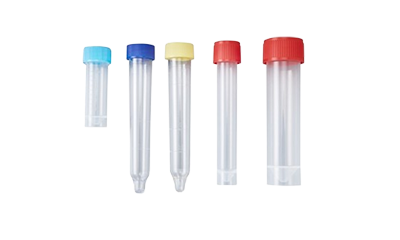 Medical Plastic Mold Productio
 Types of Packaging Molds
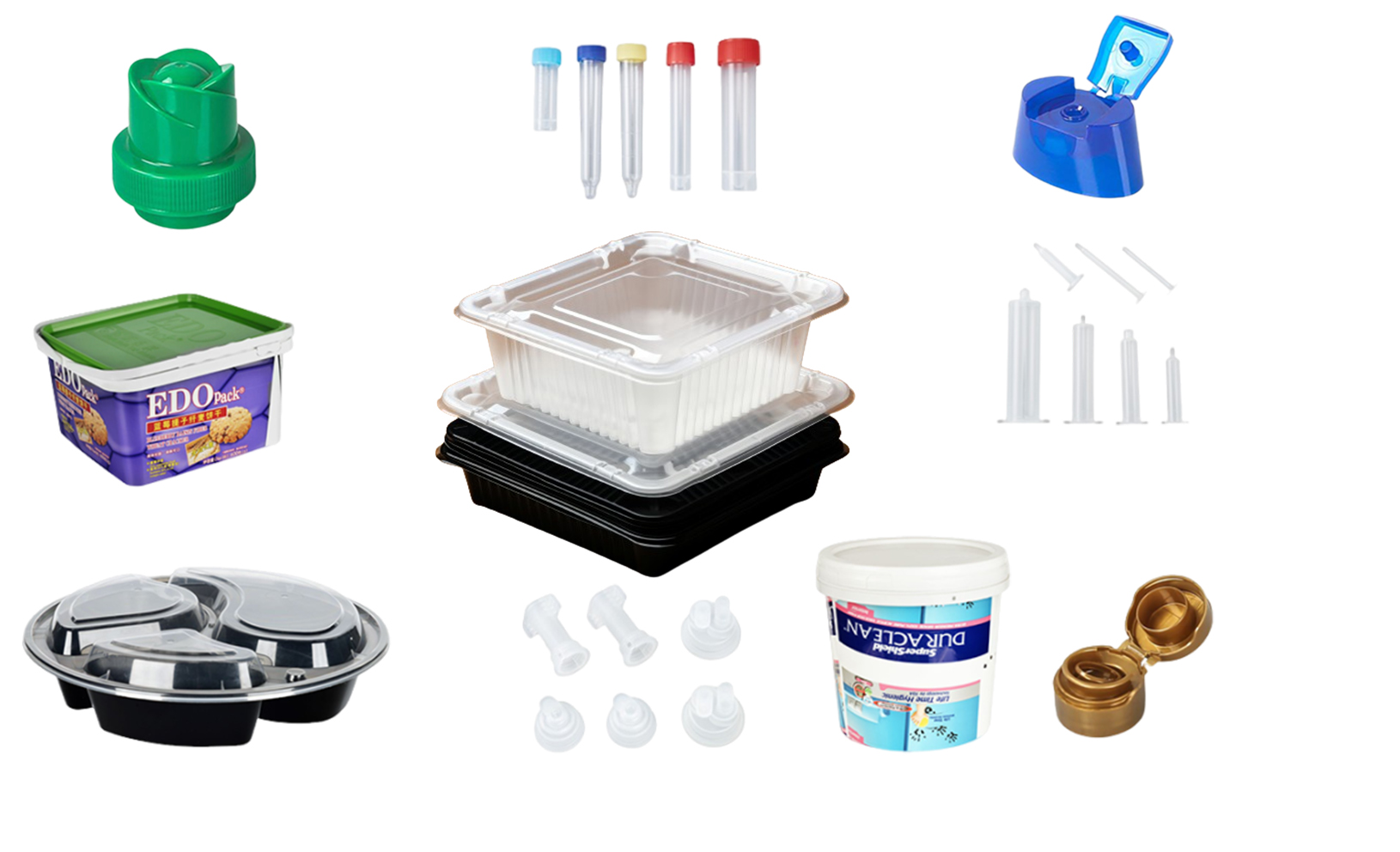 Plastic mold manufacturer
 Here is the English translatio
Please contact us with your request
We are ready to answer your questions.