Types of Packaging Molds
Views :
Update time : 2026-07-11
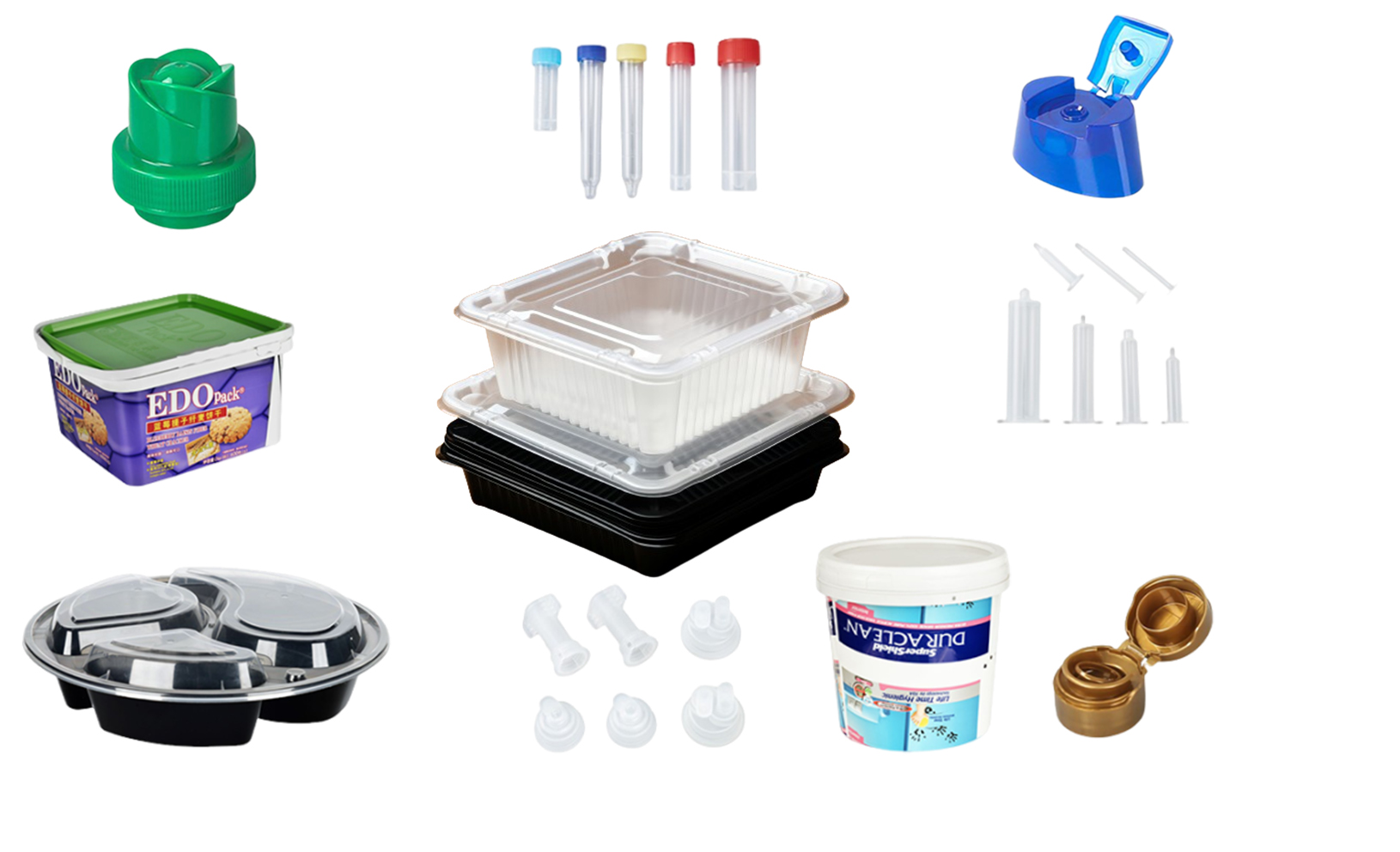
Packaging molds are essential tools for producing various types of packaging containers, with diverse classifications based on molding processes, material properties, and product forms. Below are the main types of packaging molds and their applications:
I. Classification by Molding Process
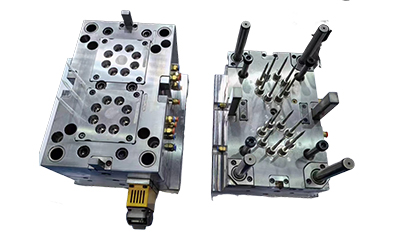
- Injection Packaging Molds
- Food packaging: Plastic lunch boxes, bottle caps, condiment bottles, etc.
- Household and personal care packaging: Shampoo bottles, cosmetic containers, toothpaste tubes, etc.
- Industrial packaging: Component trays, storage bins, anti-static packaging boxes, etc.
- Characteristics: Molten plastic is injected under high pressure into a mold cavity and solidifies upon cooling before ejection.
- Applications:
- Advantages: High precision, high production efficiency, suitable for mass-producing complex-structured products.
- Blow Packaging Molds
- Hollow containers: Beverage bottles, cooking oil bottles, detergent bottles, etc.
- Specialized packaging: Ophthalmic solution bottles, cosmetic spray bottles, etc.
- Characteristics: A thermoplastic plastic parison (tube) is placed inside a mold and inflated with air to conform to the mold's inner wall.
- Applications:
- Advantages: Capable of producing thin-walled hollow products with high material utilization and low cost.
- Thermoformed Packaging Molds
- Food trays: Cake boxes, fruit trays, frozen food packaging, etc.
- Electronic packaging: Battery trays, mobile phone accessory trays, anti-static blister packs, etc.
- Pharmaceutical packaging: Blister packs for tablets, medical device trays, etc.
- Characteristics: A heated and softened plastic sheet is vacuum-formed or pressure-formed over a mold surface, then cooled and ejected.
- Applications:
- Advantages: Low mold cost, suitable for small-batch, multi-variety production with high product transparency.
- Compression Packaging Molds
- Rigid containers: Medicine bottles, cosmetic bottles, toothpaste tubes, etc.
- Sealing components: Bottle cap liners, tamper-evident seals, etc.
- Characteristics: Plastic powder or pellets are placed in a mold cavity, heated and pressurized to melt and fill the cavity, then cooled and ejected.
- Applications:
- Advantages: Capable of producing high-density, high-strength products, suitable for thermosetting plastics (e.g., phenolic resins).
- Thermoforming (Thick-Gauge) Packaging Molds
- Disposable tableware: Lunch boxes, bowls, trays, etc.
- Industrial packaging: Foam cushioning materials, shock-absorbing trays, etc.
- Characteristics: Similar to thermoforming but uses thicker plastic sheets (e.g., PS, PET) for heating and stretching.
- Applications:
- Advantages: Suitable for large, thick-walled products with excellent cushioning performance.
Related News
Read More >>
 Medical Plastic Mold Productio
07 .11.2026
Medical plastic mold production must meet stringent requirements for high precis
 Types of Packaging Molds
07 .11.2026
Packaging molds are essential tools for producing various types of packaging con
 Plastic mold manufacturer
07 .11.2026
The plastic mold manufacturer is a key hub for plastic products from concept to
 Here is the English translatio
07 .11.2026
Functions of Plastic MoldsPlastic molds are the core tools in plastic injection
Please contact us with your request
We are ready to answer your questions.